How we respond to life is everything—and yet, response is often the hardest thing to govern.
By virtue of being human, we emote. We react to our environment largely through conditioning. We are taught, consciously and unconsciously, how to respond to what we see, hear, feel, taste, and touch. When those responses become ingrained—played on repeat until they no longer require conscious thought—they enter a state of automaticity. The script runs on its own. In many situations, the only true agency we retain is not over what happens to us, but over how we respond to it.
A Mother’s Reflection
As the mother of a young boy, I witness this process in real time. I see how the world presses against him, how easily feelings arise when things seem unfair or when desires go unmet. At times, the world feels less welcoming to him—and that, too, is normal. Our bodies register perceived pain through emotion, often sadness, though pain itself is subjective and deeply personal. Any stimulus that triggers that feeling elicits a response. For him, that response may show up as anger or tears, and at his age, that is entirely expected. He has not yet learned how to regulate those emotions or to recognize that there is a more constructive way to express them. That understanding must be taught.
Withstanding Emotional Weather
There have been moments when I’ve interrupted him in the midst of his emotional storm—not to suppress his feelings, but to help him navigate them. I tell him it is okay to feel angry, but not to express that anger in ways that harm himself or others. It is okay to cry, but not to allow those tears to pull him into a sorrow he cannot emerge from. I want him to understand that while we may not choose our feelings, we do choose how we respond to them.
Caught in My Own Downpour
What humbles me is that while I stand in a position of guidance, charged with helping him learn how to face life’s challenges, I am still learning myself. Even at my age, I sometimes struggle with responsiveness. I react when I should pause. I allow emotion to surge where reason should stand firm. And that, too, is part of the journey. Growth does not eliminate obstacles; it simply sharpens our ability to recognize them as they appear.
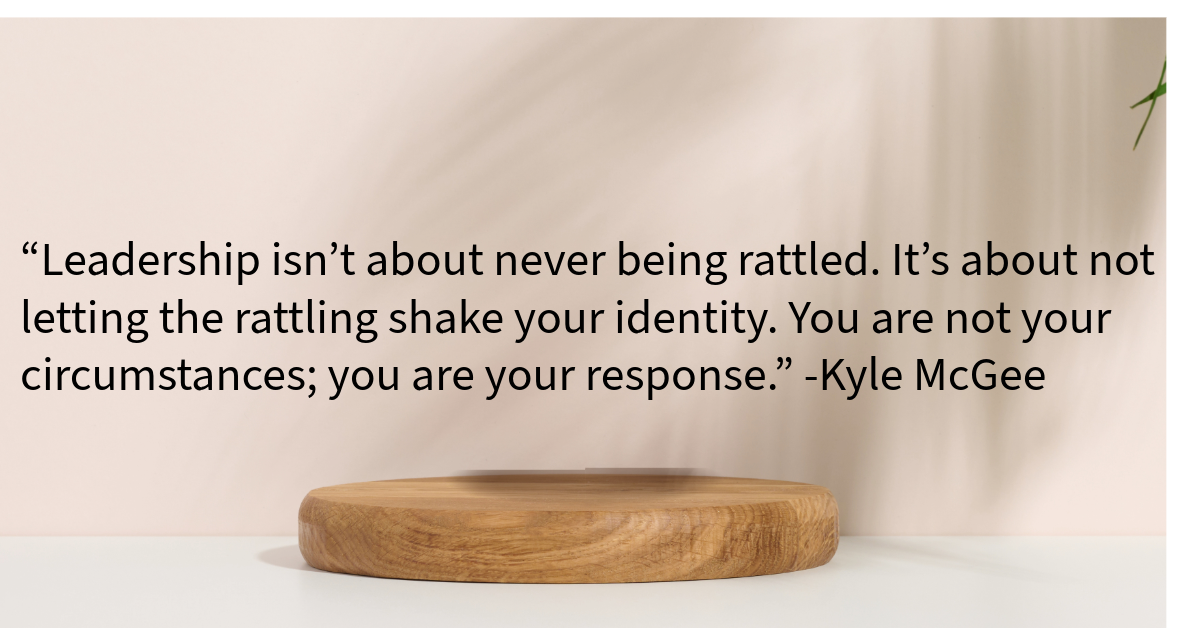
While reading a particularly poignant book entitled “Built to Lead: Forged by Purpose, Fueled by Faith,” one passage settled deeply within me:
That truth resonated profoundly.
Your Response is Your Signature
For anyone striving to become a better version of themselves, for anyone who looks at life and feels powerless—remember this: there will always be one thing within your control. Your response. Let that response reflect who you are, or, if you are still becoming, who you aspire to be.
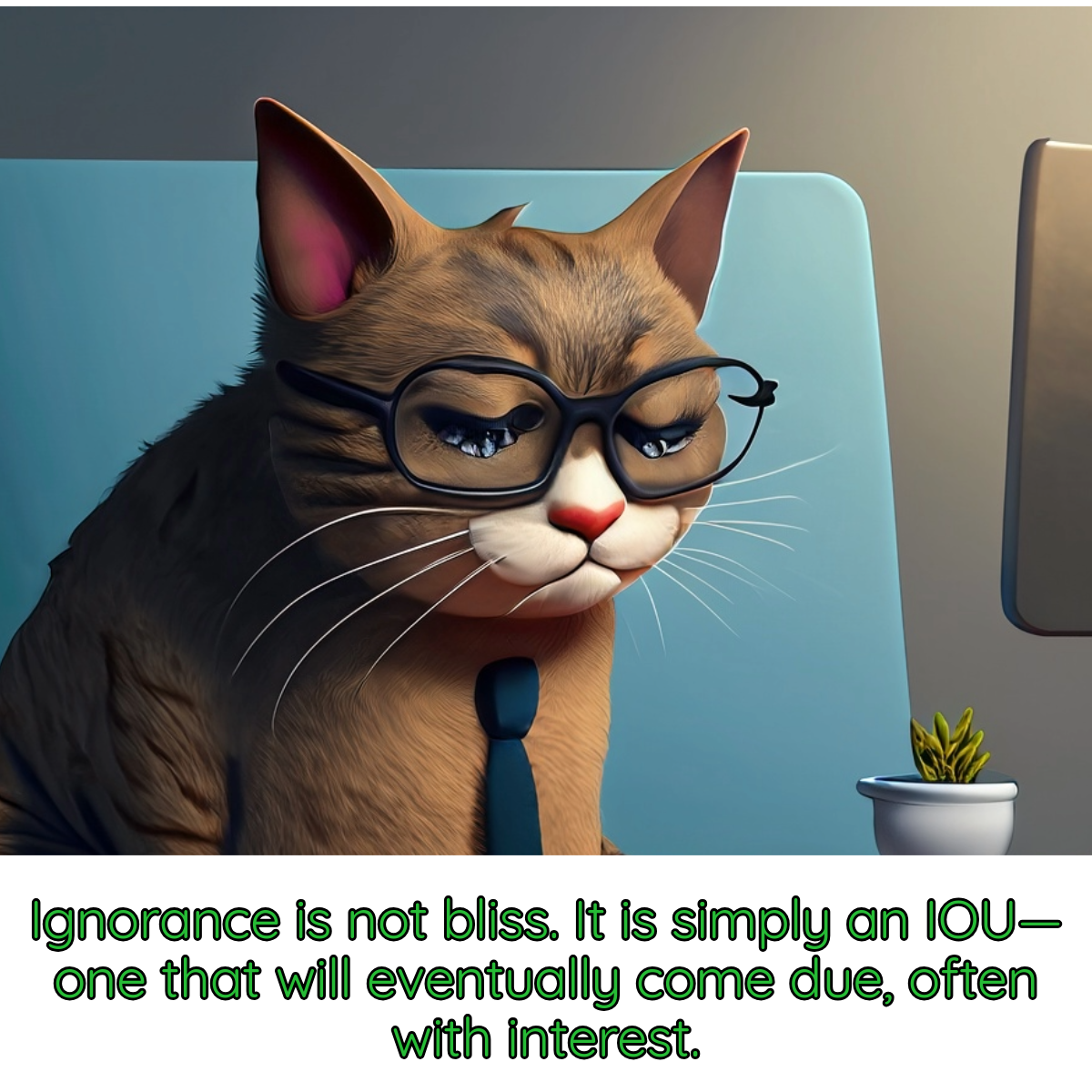
There is a saying that ignorance is bliss. It is one of the most deceptively comforting statements we repeat. There is, of course, a counterpoint: that an increase in knowledge brings an increase in sorrow. Perhaps that is where the first idea takes root—if knowing more brings pain, then knowing less must bring contentment. But I would argue the opposite. Not knowing something does not prevent the pain that often accompanies that lack of knowledge; it merely delays it.
Lesson Backed by Experience
A recent experience drove that truth home in a way that was impossible to ignore. While the details may not be particularly pleasant, transparency is sometimes necessary to bring understanding and build connection.
My older children wanted pets—specifically kittens. Our home already had a Maine Coon, so adding two more was not initially appealing to me. Still, as parents often do, I acquiesced. Our household became home to one adult cat and two kittens.
Having never cared for kittens in that capacity, I was content to leave the litter responsibilities to my children. As many can probably relate, that arrangement did not last long, and the task became a shared duty. While cleaning one of the designated litter areas, I remained unaware of a critical detail: there was a hidden tray beneath the box that held an absorbent pad, and it, too, required regular changing. I was ignorant of this simply because I did not know to look for it.
The Lesson at Hand
That ignorance did not shield me from its consequences. Physical symptoms—persistent headaches—began to signal that something was seriously wrong. When I finally discovered the source of the problem, the situation had escalated far beyond what it would have been with earlier awareness. The cleanup was significantly worse, far more unpleasant, and far more urgent. But it had to be done.
Ignorance Is an IOU with Interest
That experience taught me a lasting lesson. Ignorance is not protection from consequences. When you know better, you do better—but when you do not know, the consequences still arrive, often compounded. Proactivity matters. Asking questions matters. Research matters. Every choice we make carries outcomes, and those outcomes do not pause simply because we failed to understand them.
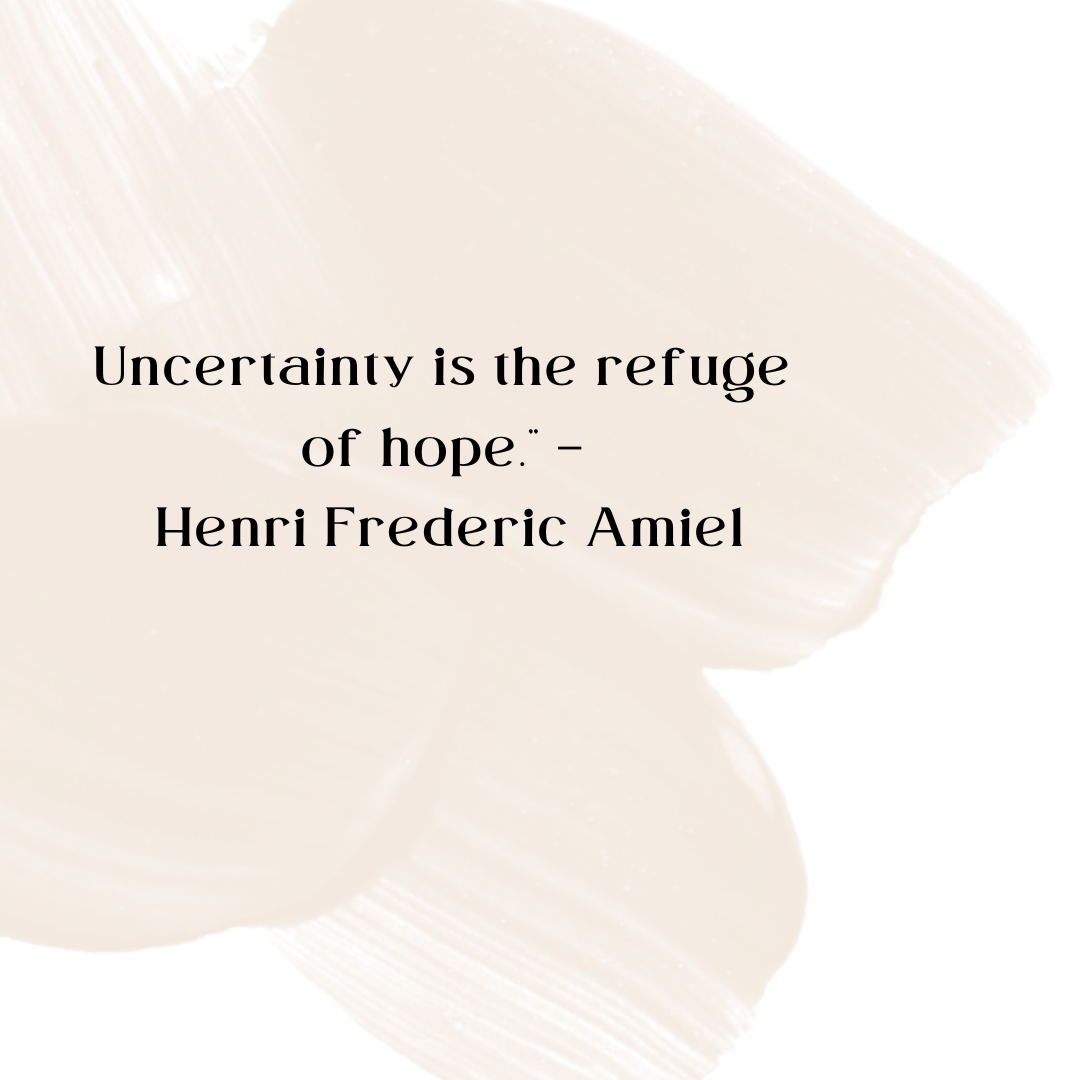
One of the most difficult realities of life is not knowing. Uncertainty is a universal truth, an inescapable condition of the human experience. The challenge, then, is learning how to bridge the space between the discomfort of not knowing and the acceptance that many things will always remain unresolved. That tension has been one of my greatest teachers. Life has shown me that while uncertainty exists, so do confirmations—quiet, consistent alignments that guide us if we are present enough to notice them.
Looking Back on the Way Forward
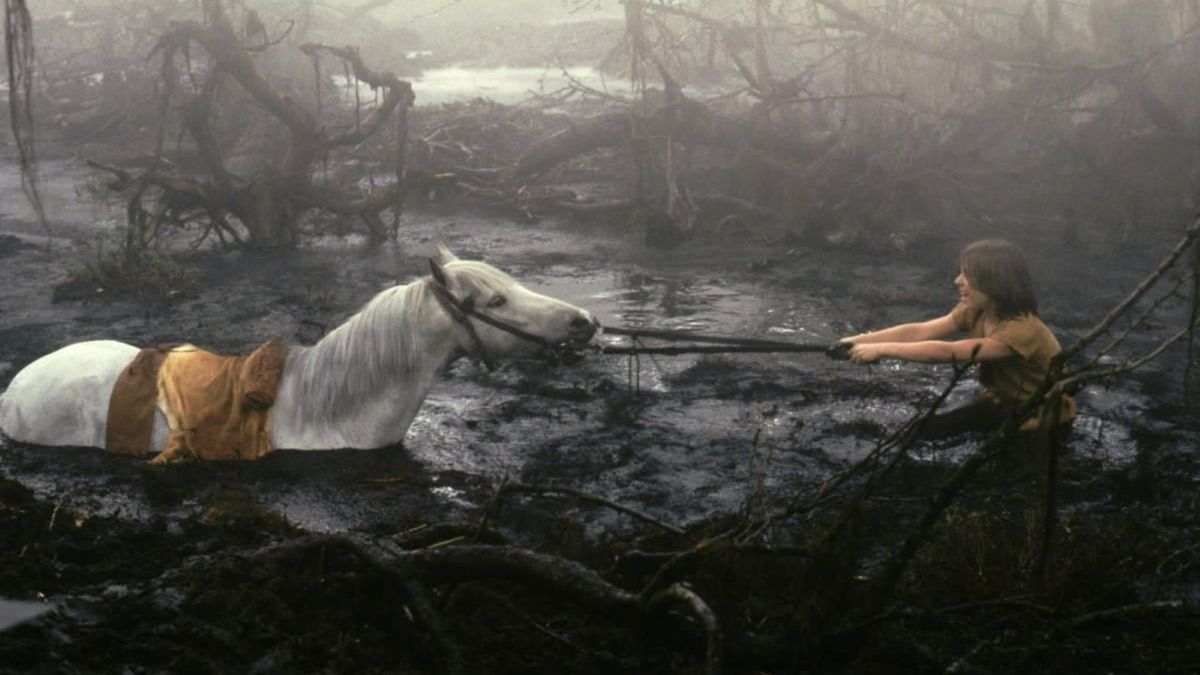
The past three years of my life have been marked by relational struggles of the kind that immobilize you, creating a suction that pulls you deeper the more you resist. I often think of Atreyu sinking into the Swamps of Sadness in The NeverEnding Story—fully aware of the danger, yet unable to move forward. I was lost, suspended in uncertainty, with no clear sense of direction or relief. I simply did not know.
Never Ending Story. Image source: Warner Bros.
The Shift Came Through Release
The shift did not come through answers. It came through release. I let go of the need to understand, to predict, and to control outcomes. I stopped demanding clarity from the future and narrowed my focus to the present day—until even that felt like too much, and I lived moment by moment. Looking beyond the immediate darkness and despair, I learned to stay where my feet were. It was in that narrowing of focus that something began to change.
Narrowing Focus to Widen Awareness
Mindfulness became a lifeline. As I committed to meeting each moment as it arrived, without resistance or expectation, my awareness widened. I became receptive rather than reactive. And in that openness, something quietly began to bloom. What emerged was a recognition that my path had been saturated with confirmation all along.
Clearing the Noise to Hear
I began to understand that guidance had never been absent; I simply hadn’t been still enough to perceive it. Confirmation was always present, but my mind was too cluttered—too noisy with fear, anticipation, and unresolved emotion—to register it. Through the daily practice of renewing my mind and clearing away what was heavy and sticky, I began to hear the echoes that had been there all along. Those echoes were seeds—indications of where something needed to be planted and where something else had reached its time for harvest.
We Forget and Remember
I know there may be moments when I lose this clarity again. There is a very human tendency to forget foundational truths, no matter how deeply they are learned. I may find myself deafened once more by uncertainty. But this time, I hope I remember what matters most: that uncertainty may be a fact of life, but it does not have to define my portion.
When Uncertainty is the Teacher
My life is guided by something greater than myself. When I remain mindful of that truth, I understand where answers come from—and more importantly, how to be still. By pushing away what is unnecessary and returning to the present, I reconnect with the essential. It is in living fully within the moment and responding to what that moment requires that confirmation reveals itself again and again.
I began writing this blog in 2015 out of a desire to inspire others. It had always been a dream of mine to help people in some way, shape, or form. When I looked at the world—and at my own experiences within it—I didn’t like what I saw. I saw despondency. I saw pain. I saw the rot of apathy. Callousness and a lack of empathy, like conjoined twins, drain the essence from the human journey. I wanted to make a difference. I wanted to change how people saw themselves and, in doing so, help redirect them toward joy, contentment, and ultimately, satisfaction with the life we are all navigating.
Insight From Experience
I wasn’t always consistent, sometimes more, sometimes less. There were seasons of inspiration and seasons where I fell away. Even those who aspire to inspire still need inspiration themselves. That is one of the price tags of being human: we experience not only the highs but the lows as well. Someone once asked, what is the pinnacle of joy without having known the depths of pain? I have found that question to hold profound truth.
Off The Beaten Path
Last year, I let this blog sit untouched. There were no snippets of truth to share, no personal accounts through which to connect, because I had lost touch with the joy of the experience. I had grown weary. I had lost almost all of the spark that led me to begin this endeavor in the first place. The past two years, if I am honest, felt like an abysmal pit of despair.
A Cycle of Growth
I wrestled with how to return—how to begin again. What I’ve come to understand is that there is no better place to start than exactly where you are. That is true for any goal, any pursuit, any marker along the run. Start where you are. One step becomes two, and then another. Don’t fixate on what pulled you off the path. There’s an old saying—don’t cry over spilled milk. Perhaps it’s a less empathetic way of saying what is still true: you cannot change the past; you can only influence the future. And that begins by living fully in today.
The Way Forward
What this blog will become this year, I cannot say with certainty. But uncertainty does not mean being unled, unpurposed, or giving up. It means continuing the good work that the Father placed within me. It means inspiring as I am inspired and following what is placed on my spirit to share. That is where genuine, nourishing growth takes place—by returning to the source and drawing from it.
This is a new journey: the same path, the same goal, but a different strategy. My hope remains that somewhere, someone will read these words and find a path toward transformation. I am not asking that what I write here singlehandedly change anyone. Rather, my hope is that it opens the heart, the mind, the soul, and the spirit—creating space to reconsider how we view the journey itself. How we see the world stems from how we see ourselves, and how we see ourselves determines the quality of our existence.
A Sower In Season
There is a passage that speaks of some being called to sow and others to reap. I am called to sow. And so, here’s to a year of growth, reconnection, and shared humanity.
It’s been said before, but life is replete with lessons. There will always be a teacher if one is willing to learn. One thing I know I struggle with is demonstrating understanding.
And no, I’m not talking about the wisdom that comes with reflection, contemplation, and assimilation of what I have learned from general matters.
I speak of understanding in the sense of demonstrating greater patience and a more profound sense of empathy.
What the World Needs Now: On Building Relationships
One thing that I believe is lacking today is deep empathy, patience with others, and the willingness to, above all, seek understanding. People, in general, live a more strained and stressed existence. People get fed up too easily.
Grace, respect, reserve, and empathetic listening are qualities sorely missing from the public discourse now.
Relationships require nurture. Which means attentiveness and care. As people, we must care for the people to whom we choose to relate regardless of what level that relation may be. Caring for others requires empathy and patience. Without it, it is impossible to maintain a long-term relationship with another human being.
A Course on Humanity
And what life has taught me over the last months is that we must constantly examine our humanity and renew our commitment to demonstrating grace. I have had this reflected back to me in numerous ways in the past year. It has fallen upon my ears in several manners. It has passed my eyes in text. It has shown itself to me through circumstance. Yet it was not until late that I sat down to really heed these lessons.
Lost in Loss
My first lesson began with a loss. Then I got a repeat lesson in the subsequent months with a near loss. The first tragedy forced the scales from my eyes. The second reinforced the lessons from the first, so I would not slip back into former belief patterns.
The first took my breath away the second took me to my knees. I was in a position where I had nothing to do but seek understanding.
What was the greatest source of my pain?
I knew I had been guilty of placing lofty expectations on others. But I was learning to adjust them.
That is not to say I shouldn’t have had any expectations of others.
We need to set standards and boundaries for what we will and will not permit in our lives. That is necessary for our mental well-being.
I didn’t know what to do when others I held close didn’t even meet the minimum. What would it mean if someone I loved didn’t act in a manner that I felt fell on the baseline of what was acceptable?
I was shaken. by what I perceived as callousness. And in a moment of desperation, I threw up my hands from exhaustion from trying. I wanted to excise all people from my life.
Lesson 1: On Grace
That is when I received the first message regarding grace. Someone dear to me inquired if I had considered first extending grace. The person continued. What about considering that there are factors I couldn’t see that impacted their movement.
I could not possibly understand how my hurt impacted others, or why they responded to the tragedy the way they did?
Did I consider that there are some things others haven’t learned yet?
So what about extending grace?
While I received the advice, I didn’t fully understand it enough to act on it when it was shared with me. And at the time I didn’t want to because I was too lost in my own loss and grief.
I only wanted others to empathize with me. I only wanted them to reach out to me and share in my grief. I didn’t want to suffer alone.
I most wanted to know why others couldn’t see my pain and respond with a rudimentary demonstration of kindness.
Can’t they see I’m hurting I would ask?
Is this how they would like to be treated I would inquire within?
That would not be the last lesson I would be taught on grace.
Lesson 2: On Grace
I would be taught this lesson again.
Some months later, strain within a working environment left me feeling overlooked and undervalued.
There were basic expectations I held for I felt I should be treated by my colleagues and leaders. And when I felt those basic expectations went unmet, I withdrew. I was hurt and felt disrespected. And I was on the verge of quitting when a conversation with the CEO changed my perspective.
Through a discourse, the CEO revealed to me some information I would not normally be privy to. The conversation bought enlightenment where there was none. Upon the illumination of the matter, I saw how mistaken I had been.
My assumptions were based on my limited knowledge.
My inability to be patient, understanding, and extend grace, created stress where there should have been none.
‘What is Grace?
Grace is the ability to extend the benefit of the doubt. The willingness to consider factors we don’t understand and thus be slow to judge and act. It is the ability to feel empathy on an entirely different level.
I’m convinced that my inability to show grace has been an enduring source of my pain. My inability to understand that people cannot act beyond their experiences left me hurt.
The Key to Deep Relationships Is Grace
What we see is only a tiny part of what another person goes through and deals with daily. It is impossible to judge the human heart based on one response. Life is so much more complex.
Fundamentally, we can’t expect people to act beyond what they know or what they have learned. Unfortunately, we don’t know everything a person has learned. So, the best we can do to nourish and deepen relationships is to learn the art of grace.
Grace is what matters in anything – especially life, especially growth, tragedy, pain, love, and death. It keeps you from reaching out for the gun too quickly. It keeps you from destroying things too foolishly. It sort of keeps you alive.