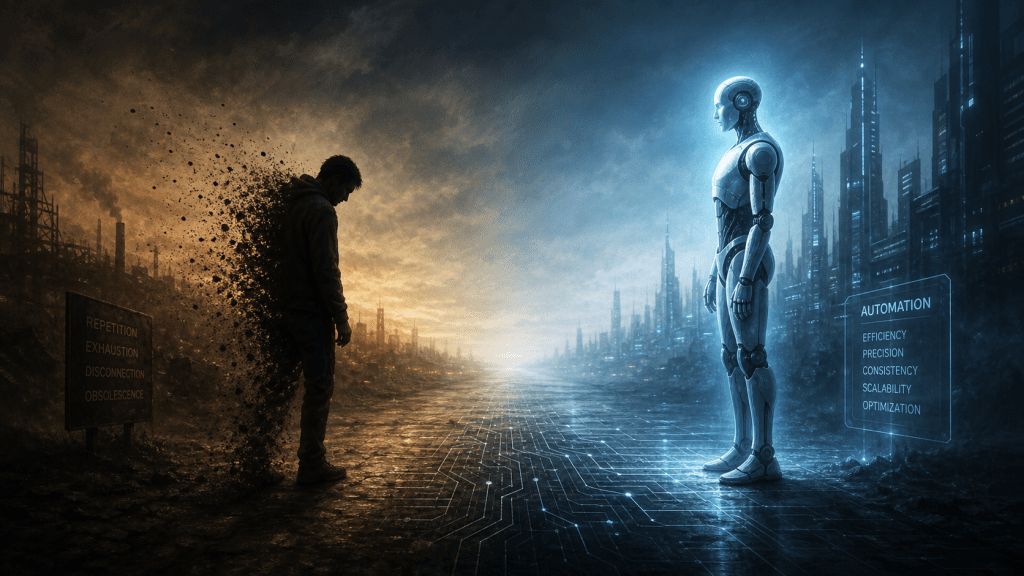
I have often contributed to the AI conversation, not so much as a protest but to invite reflection on the tenor these arguments have taken and the oversaturation of a single perspective.
While this piece concerns technological evolution, it is not specifically about AI in the sense of what has more widely taken shape. I am referring to humanoids and assistant bots in both homes and organizations and what their arrival means for us. That question requires greater attention than the arguments currently being had about assistive technology for development, organization, structuring, analysis, research, data collation, and tool generation that increase efficiency.
When the Manual Becomes a Warning Sign
This came to mind while reading a well-written book on elevating human potential in the wake of an ever-evolving, technology-oriented society. While the book offers the tools necessary to develop and strategically prepare, it also presents some frightening developments. One that caught my eye was the idea that humanoids or assistive robots, advanced intelligence bots, will eventually replace work such as lifting, movement, and the more physically laborious components of society. In fact, they are already being put to use and acquired by those with the means to do so.
This raised an alarm for me, not because of how it will alleviate workloads that require only remedial, repetitive, and banal tasks, but because of the cost that comes with it. It is a cost that is not being considered as carefully as it should be.
Outsourced Cognition
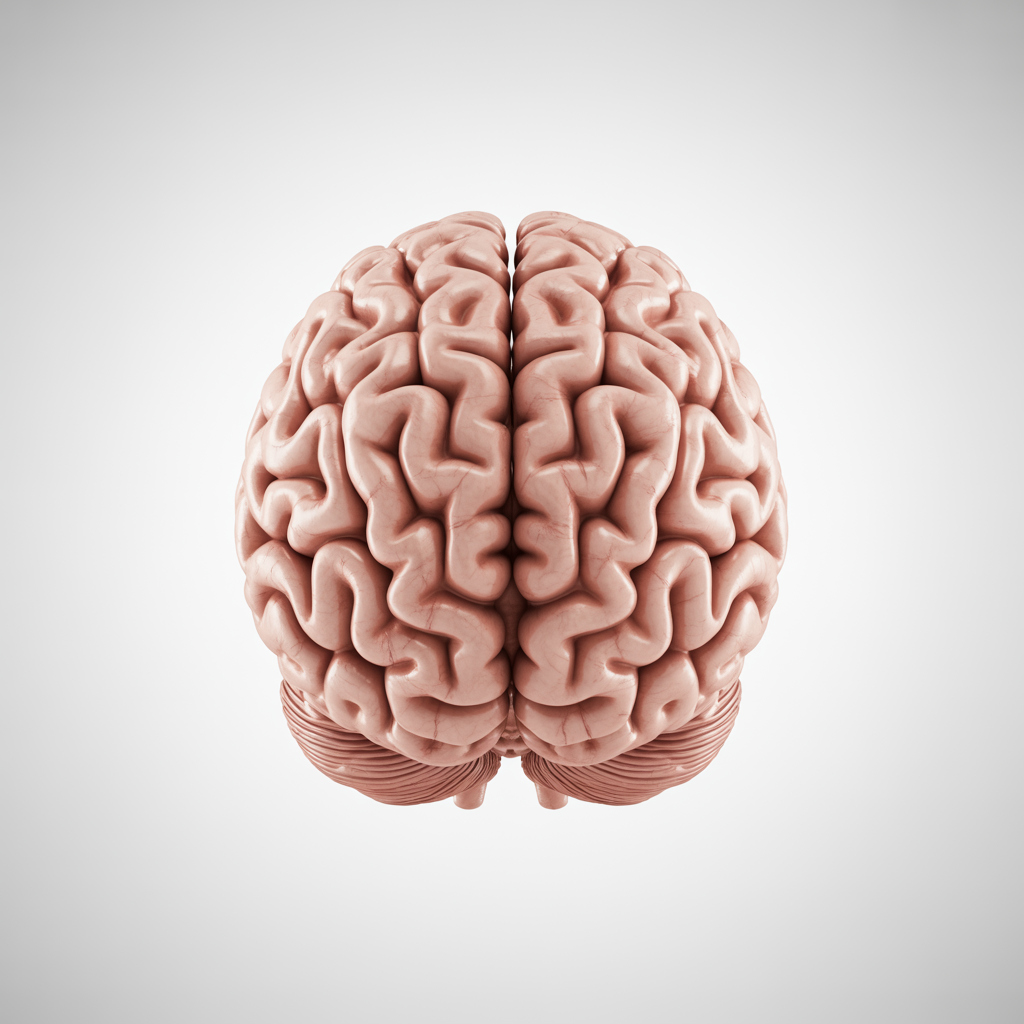
That cost is already visible if we look closely. Humanity has grown weaker despite the accessibility of vast amounts of information, which too often serves only to produce the regurgitation of that information. Artificial developments of all kinds have dulled human sensibilities, processing, evaluative skills, and critical thinking. Technological advancement has contributed greatly to both physical and mental regression. When something else processes, evaluates, moves, operates, or performs, the human loses the ability to do those things, because improving any of these functions depends on repetition.
Our brains are wired for retention through the building of synaptic connections, which comes about by continuously learning and applying the concepts we undertake. If there is any wonder why people cannot compute basic math expressions without a calculator, this is the cause. If there is any wonder why people have lost the ability to speak coherently, write well, or comprehend deeply, it is due to the failure to practice the skills that improve these functions. If you do not use it, you lose it.
Atrophy by Automation
What begins in the mind does not stay there. The world has already seen the dumbing down of society, and looking forward, when more physical labor is removed, the body will begin to deteriorate. Muscles not used atrophy, bones weaken, and illnesses related to a more sedentary lifestyle become more prominent. When the entirety of the human being regresses, that weakness will cause incapacitation, and humanity will be at the mercy of whatever does the work.
Staying in the Loop
It has been said that 10,000 hours of practice leads to proficiency. It is what turns skills into second nature, and it is what will be needed to continue functioning in an environment where AI gains in intelligence. That is the conundrum. To relent and relinquish those abilities, choosing to rely purely on these devices without any human integration, is an ominous harbinger.
The Human Firmware
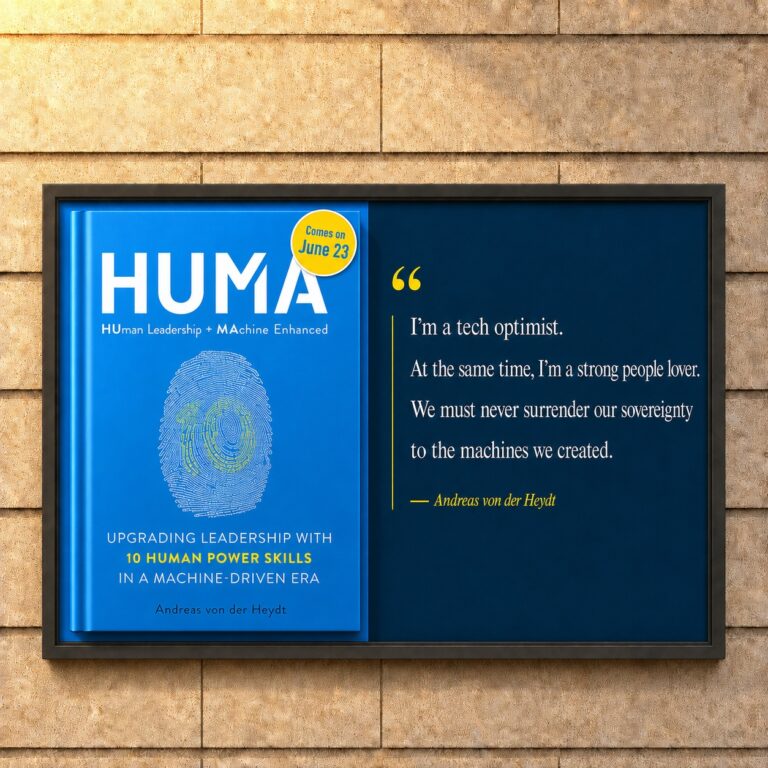
The idea is not to throw out innovation. It is, as the author of HUMA puts forth, to learn how to continue growing the skills that require a humanistic approach. We must increase the human capacity for growing the intellect without abandoning physical conditioning at the expense of ease. We do not need to fight the machine. We need to stay highly cognizant of the strength of the human mind and body and continue to build and use both.

