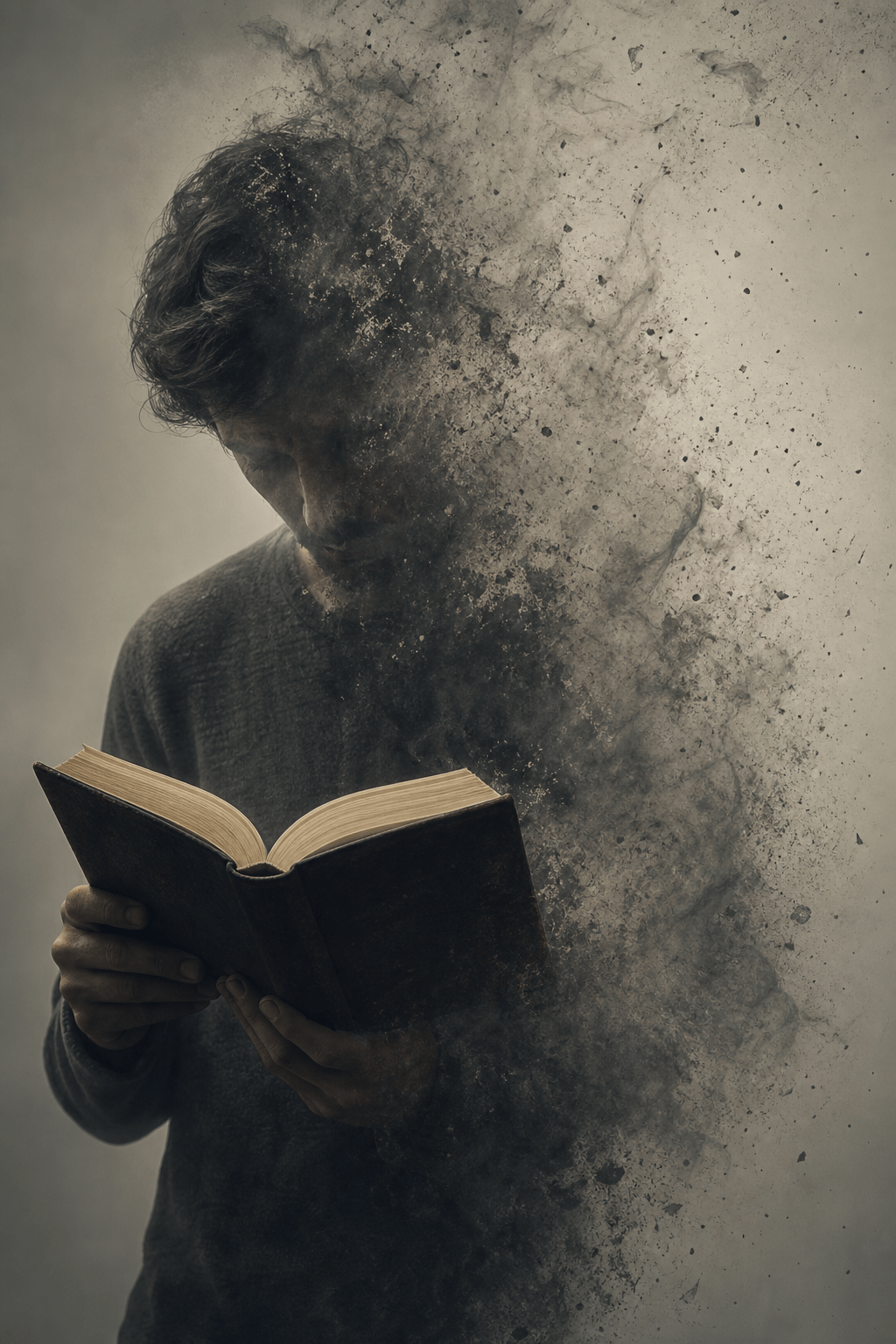
Some things demand to be said. They press and persist until silence is no longer an option. Maybe the release brings peace to a restless conscience. Maybe it settles into someone else’s spirit and does its work there. It might soothe. It might provoke. It might ignite. Whatever its function, I know this much. My conscience will not let me rest until it exists outside of me, on paper, in the ether, occupying space in the minds of whoever encounters it.
The Modern Witch Hunt
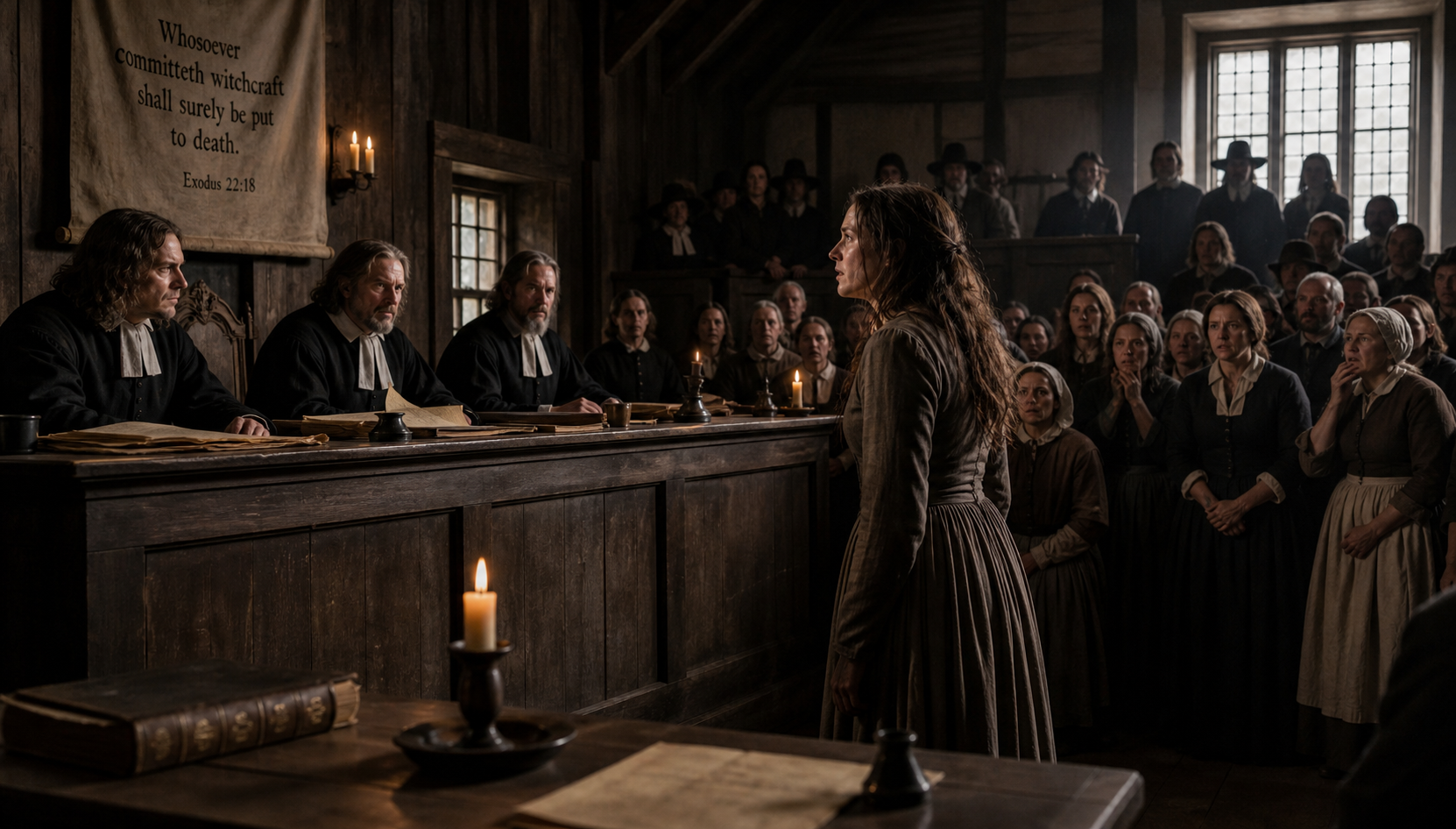
Lately, the conversation around AI has grown loud, especially among writers and creators. It has taken on the energy of something older, something reactionary. A kind of modern-day witch hunt. The condemnation is swift and often absolute. Careers are threatened. Reputations are put on trial. I came across a piece in which outrage over something attributed to AI escalated into calls for complete professional exile. Not correction. Not accountability. Erasure.
And what is striking is that the issue could have just as easily been human error. A lapse in thoroughness. A failure in craft. Perhaps even a question of authenticity. But instead, AI became the villain, absorbing all the blame, all the fury. The response was not measured. It was punitive. Medieval in spirit. A warning to anyone who dares engage with what is now framed as a creative threat.
What We Are Really Protecting
I am not here to defend or condemn artificial intelligence. That is not the point. What concerns me is what this entire argument overlooks, and that is purpose.
Beneath the surface, much of this reads as fear. Fear of losing identity. Fear of becoming irrelevant. The titles of writer, of creator, of professional, feel under siege. So the instinct is to protect. To guard the gate. But in doing so, we have allowed protection to overshadow purpose.
Why do we write in the first place? What is the intention behind creating anything at all?
We speak endlessly about preserving craft, about defending the sanctity of the written word. Meanwhile, fewer people are reading. Engagement is thinning. The audience we claim to protect is quietly disappearing. And yet the argument continues, centered not on connection, but on superiority.
Losing the Plot
Somewhere along the way, we stopped talking about what makes writing endure.
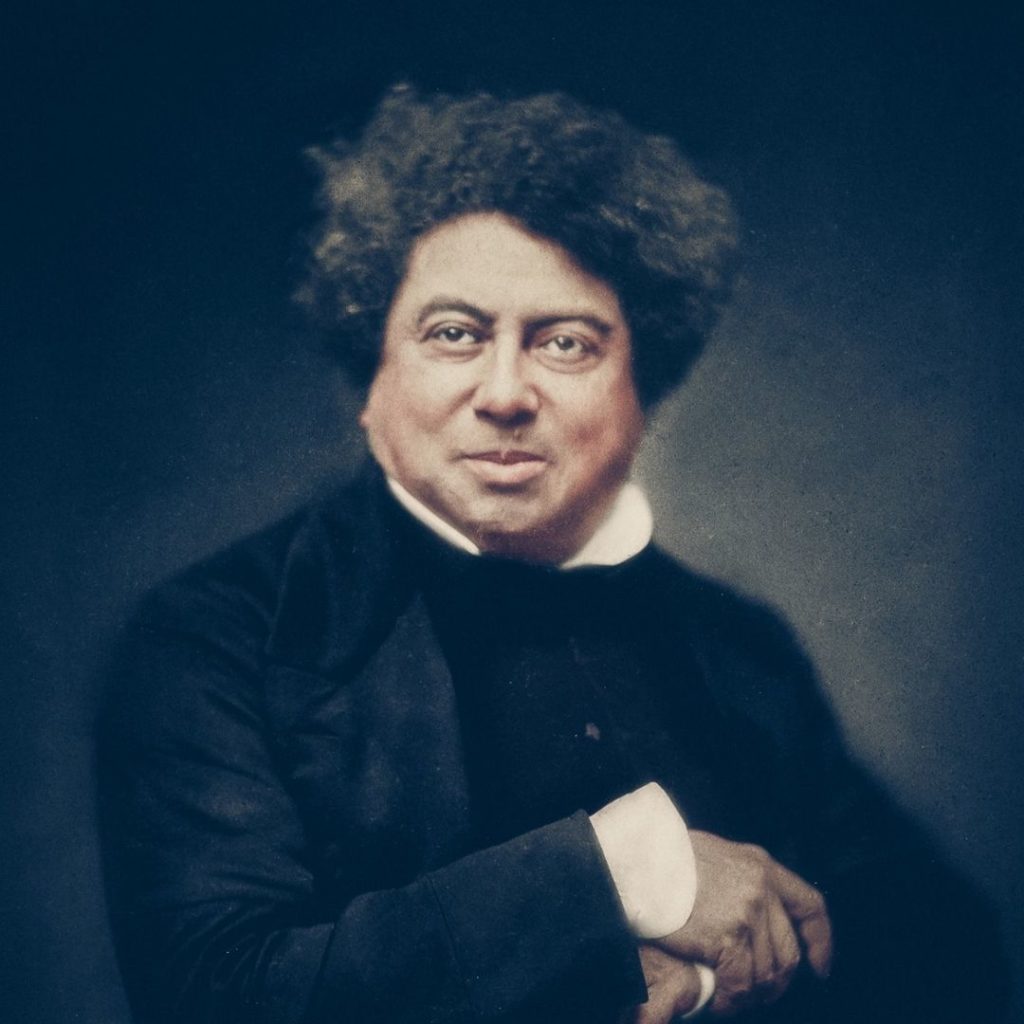
We do not sit with how Dumas shaped vengeance and redemption in The Count of Monte Cristo. We rarely revisit how Arthur Miller distilled the quiet tragedy of the American dream in Death of a Salesman. We overlook how Stephen King transforms ordinary fears into something inescapable, how Mary Shelley’s creation still breathes centuries later, and how Anne Rice gave immortality a voice that lingers.
Where are the conversations about Maya Angelou’s symbolism and truth, about Lorraine Hansberry’s portrait of deferred dreams, and about the emotional architecture of Morrison, Walker, Orwell, and Hawthorne?
These works are not remembered because of formatting choices or stylistic purity. They remain because of what they leave behind in the reader. What settles into the bones. What reshapes thought. What lingers long after the final page.
That is purpose.
Everything else feels like noise.
What Should Matter
I want to see more people talk about what moved them. What they read that stayed with them. What line, what character, what moment refused to let go.
I want to hear how a writer found their voice through another writer’s work. How admiration turned into inspiration. How influence became something personal and alive.
We should be speaking about the stories that live with us. The ones that earn not just shelf space, but memory. The kind of writing that does not just inform but awakens.
Because that is what endures.
A Necessary Question
I do not remember great authors for their process. I remember them for what they gave me. For what they revealed. For what they made me feel and understand.
So if the fight is not about getting people to read, to love reading, to seek it out and return to it, then what are we actually fighting for?
What is the value of preserving a craft if the only audience left is other creators critiquing each other?
At that point, the work is no longer living. It is performing.
Hope for a Shift
Maybe this shifts one day. Maybe the conversation returns to meaning. To purpose. To impact.
Maybe we stop trying to instruct the world on how to move and start focusing on what truly moves it.

