Not only do I write film reviews and share industry news that is poignant, relevant, and capable of provoking thought and conversation, I also write book reviews. My reviews speak from where a work meets me. I ask what it leaves behind. What lingers after the final page, when I am left staring at the back cover, the jacket, or the afterword. What settles into the connective tissue of my mind and quietly alters how I see the world and how I respond to others.
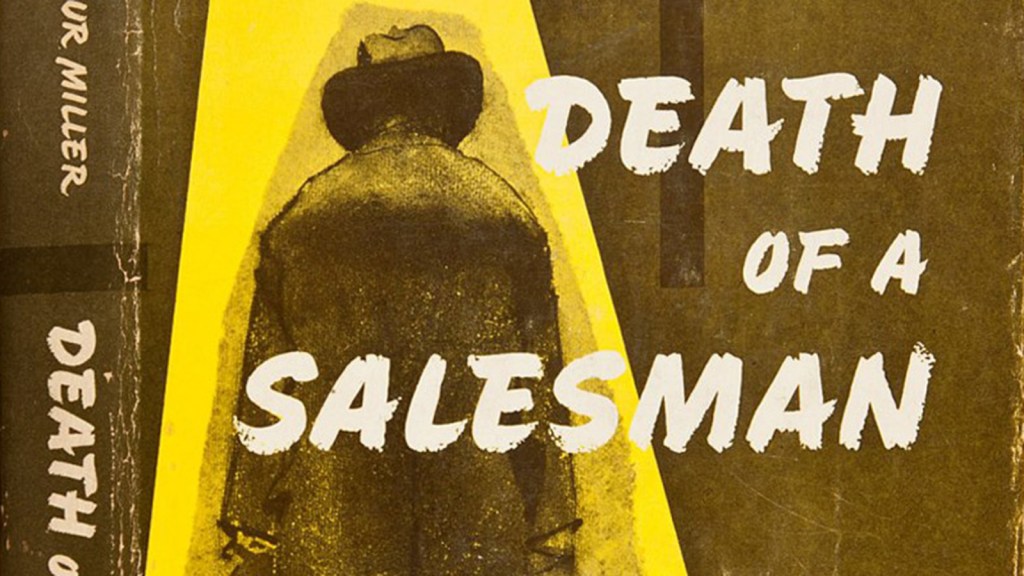
The books I read span a wide range, from works of pure fiction to autobiographical accounts where people lay bare their experiences, the good, the bad, and the ugly. Most of my reviews live on platforms like Amazon or Goodreads. Occasionally, though, a work reaches deeper. It compels me to write at length, to urge others to seek it out and let it leave its mark. That is what I bring forth after reading Arthur Miller’s tragic work, Death of a Salesman.
Encountering Arthur Miller
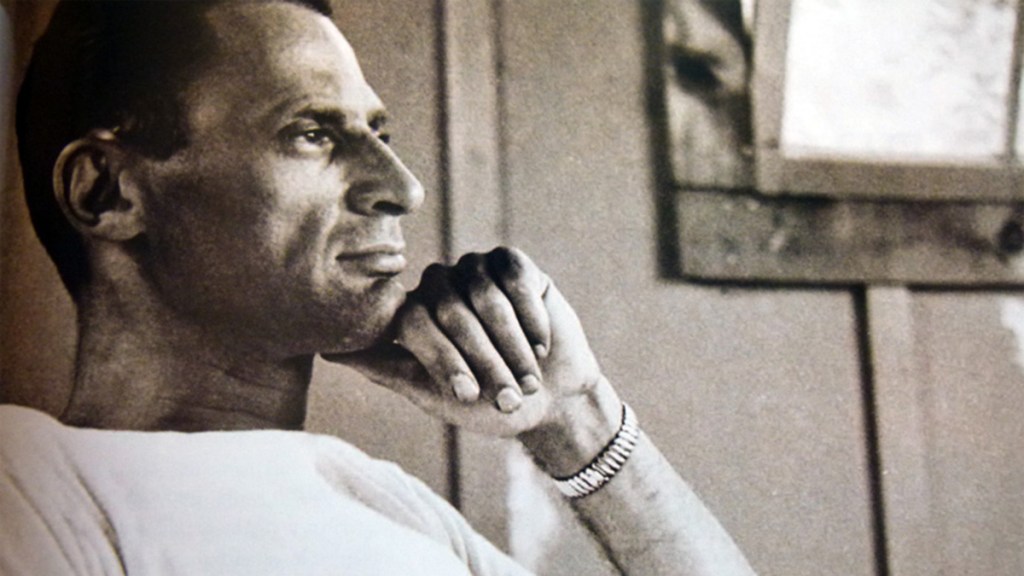
Death of a Salesman is a work often discussed, especially among those steeped in theatrical arts. Arthur Miller stands as a playwright of great renown, and anyone within those circles would be hard-pressed not to have encountered his work. Yet, while his name was always familiar to me, I had never actually sat down to read this play.
It was the announcement of an upcoming revisitation of the work that finally moved me to seek it out. I wanted to understand its depth, its meaning, and what continues to make it resonate across time.

A Man and His Illusion
The title is direct. It offers no disguise. It is exactly what it claims to be.
At its center is Willy Loman, an aging salesman with big dreams. He wants greatness for himself and, by extension, for his family. He is a father to two sons, Biff and Happy, now grown men, and a husband to Linda, whose loyalty and steadiness anchor a household constantly shifting beneath them.
Despite dedicating his life to his profession, Willy finds himself with little to show for it. He struggles to understand why his efforts have not translated into the success he envisioned. His sense of worth is tethered to an idea of achievement that continues to slip further from his grasp.
Willy is a proud man, clinging to what remains of his hope. That hope rests in his sons, his final inheritance to the world. Yet both Biff and Happy suffer from the same affliction. They are caught in the illusion of progress, chasing something they have not fully defined, while avoiding the truth of where they actually stand.
The Family Fracture
Linda sees it all. She understands the quiet unraveling taking place within her family, yet she is unable to redirect it. Her strength lies in her support, but even that cannot pierce the delusion that has taken hold.
Biff moves toward truth. He attempts to name the illusion, to confront it, believing that in doing so he might free himself from the weight that has defined his father’s life.
Happy, on the other hand, chooses continuation. He embraces the illusion, determined to follow in Willy’s footsteps, to prove something, even if it means becoming someone misaligned with who he truly is.
The Cost of a Life Misunderstood
Willy is ultimately consumed by the outcome of his life. He searches for where things went wrong, looking for causation, for someone or something to blame. In doing so, he binds himself to a past he cannot change.
He is eaten alive by guilt, by regret, and by the accumulation of choices that now stand immovable before him.
There is a depth of pain in those who live their lives trying to outdo others, trying to prove their worth to a world that is not watching. Willy’s desire to be known, to be significant, strips him of the ability to enjoy the life he actually has. It creates a loneliness he cannot fill, because it is built on expectations he could never truly meet.
What Could Have Been
Had Willy turned toward what genuinely fulfilled him, working with his hands, embracing the spaces where he felt most alive, his life might have taken on a different shape. If his sense of success had come from within rather than from an external standard, he may have found contentment.
He might have left this world satisfied with what he contributed, measuring his life not against others but against his own sense of purpose.
What the Work Leaves Behind
This work does not simply explore expectation and failure. It asks deeper questions. It asks what it means to know oneself. It asks what it costs to live for others rather than for one’s own truth.
It speaks to limitation and acceptance, to recognizing both what we cannot change and what we must. It examines generational patterns, the quiet inheritance of belief and illusion passed from parent to child. It reveals the cost of ignorance and the danger of refusing to confront reality.
Death of a Salesman is powerful because it reflects something deeply human. It gives language to an experience far more universal than we often admit. In recognizing that, it offers something rare. It offers the possibility of awareness.
Experience may be the greatest teacher, but there is a quiet grace in learning from the lives of others before we repeat their tragedies ourselves. That is the legacy and the resonant power of Arthur Miller’s Death of a Salesman

