We rarely talk about metamorphosis in human terms—what it actually costs a person or what you’re left with when the process is over. Usually, we just leave that concept to biology books and caterpillars. But transformation isn’t just for insects; it’s a deeply human requirement. Lately, I’ve realized that life is incredibly reflective. What happens out in nature is almost always a mirror for what’s unfolding inside of us. It isn’t something you just watch; it’s something you participate in.
Walking My Own Path
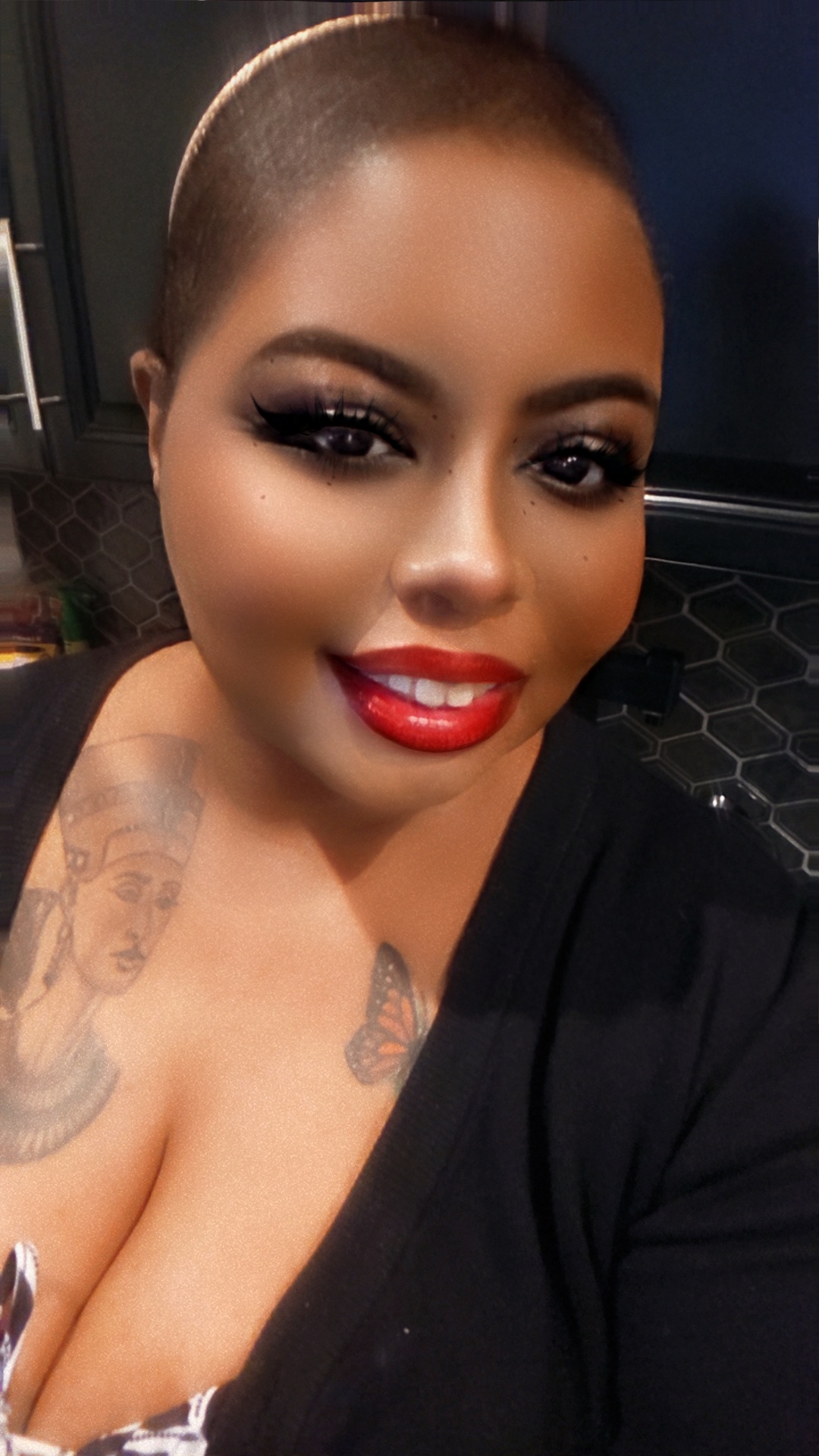
To give some context, I got my second tattoo back in 2022. Some people might find that surprising, but I’ve always been very intentional with my choices. My first was an image of Nefertiti.
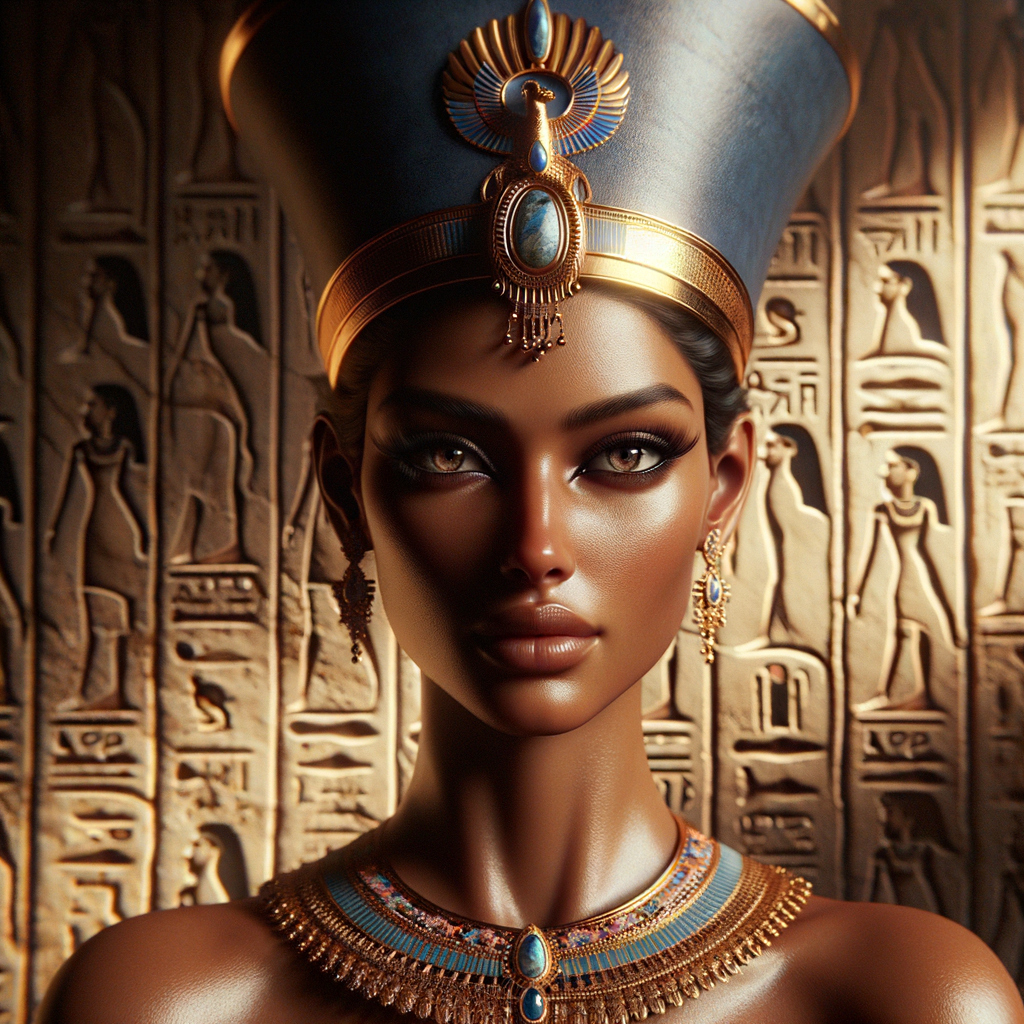
Because it’s large and prominent, I get asked about it constantly. The answer is simple: it wasn’t an impulse. I’d wanted that specific image for as long as I can remember. Her name means “beauty has come,” and that resonated with me on a level that went way beyond aesthetics. It was a declaration of identity, a way of saying I had finally arrived.
About a year later, I got the butterfly. That choice came from a much heavier, more complicated place.
Sink or Soar
At the time, I was standing on the edge of a massive shift. The identities I had spent years tied to didn’t fit the person I was becoming anymore. That specific chapter of my life was ending, and letting go was painful, but staying put wasn’t an option. It was a “sink or soar” moment. The butterfly became a marker for that season: transformation born out of total disruption. I realized in those dark moments that my former self couldn’t come with me into the future. I had been dismantled. There was this internal urgency to redefine everything, even to the point where I didn’t want to answer to my old name anymore—spiritually or figuratively.
The Lesson a Butterfly Taught Me
I didn’t actually understand the biological grit of a butterfly’s life cycle until I was helping my son with a school lesson. It turns out that inside the chrysalis, the caterpillar doesn’t just grow wings. It dissolves. Its entire cellular structure breaks down into a near-liquid state before it reorganizes into a new form. It essentially has to disintegrate before it can rebuild. That hit me as incredibly symbolic.
I was talking to my significant other recently about this idea of transformation and even the concept of changing one’s name. It crystallized the fact that growth requires shedding. You have to be willing to relinquish outdated habits, environments, and even versions of yourself. If you don’t release those things, you aren’t really maturing. Fruit is the proof of growth; if nothing is changing, you’re just stagnant.
More Recognition in Reflection
I think about Saint Peter, who started as Simon. His new calling was marked by a name change that signaled stability and a new purpose. Then there’s Paul, formerly Saul, whose experience on the road to Damascus was so radical he couldn’t go back to who he was. His blindness was literal, but also symbolic—he couldn’t see the world the same way, so he couldn’t be the same person.
The Art of Evolving
Human beings are designed for this kind of evolution. Life is a progression; death is when development stops. We shouldn’t be afraid to close chapters, shift our circles, or even rename ourselves. Dissolution isn’t a failure; it’s just part of the process. Trying to stay in an identity you’ve outgrown is like forcing growing bones into skin that won’t stretch—it’s just painful and distorting. Everything has to change eventually: the name, the frame, and the form. That’s the only way to actually emerge as who you’re supposed to be.
 Inspiraelevation