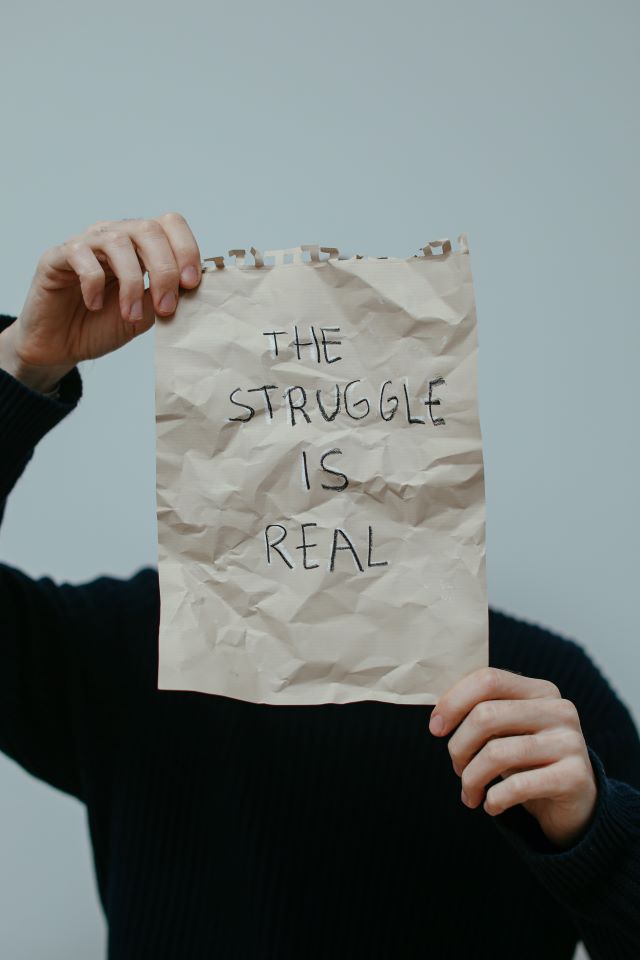
In society, there is a great plague. This plague is more insidious than any virus.
Too many people are suffering from lack.
Sadly, a mass majority are only surviving. They are only trying to make it through each day.
However, if you are subsisting, always on the verge, you might suffer from a malady. The name for that malady is a failure to thrive.
The Needs of Humanity
Humans require specific needs to be met for them to flourish.
Those basic needs are food, water, and oxygen. A living being cannot live without these three as they are pertinent to physiological growth and development. So, it is, lack of these can result in malnourishment and disorders that lead to disease, incapacitation, and eventually death.
However, physiological needs are not the only one which must be met. Non-physiological needs must also be met for a person to thrive in the world, as people are more than their bodies.
The Triple-A of Psycho-social needs
The three psycho-social needs most important to human growth beyond surviving ,to thrive, are affection, acceptance, and attention.
On the surface, these may seem superficial. To seek these things may seem like vanity, especially the need for attention. However, it is not.
Why?
I have discovered that when we start to miss these, we wither like a plant that goes uncared for. And extreme lack will result in death.
Thirsting to Thrive
Survival is instinctual.
At the base level, humans act in manners that will prevent threats to their continued existence. When one wonders why there is such an over-fascination with social media to the point of extremism, this explains it.
For a mass majority, they have their need for attention met by social media. They thrive from the amount of attention they receive.
This is only one example.
Infants and Failure to Thrive

An infant is birthed helpless.
That infant cannot nourish itself. The caretaker/parent must provide the newborn with nourishment. However, nutrition alone will not suffice in assuring the survival of the wee one.
If a newborn is not cared for and given attentiveness and affection, it will perish. And there is evidence that uncared-for infants have succumbed to a failure to thrive.
As one source notes,
In homes riddled with conflicting stress, chaos, or poverty, or where parents are poorly informed about children’s developmental needs, the children’s progress may be impaired if the nutritional intake and the quality of nurturing are inadequate for the child’s age.
https://psychology.iresearchnet.com/developmental-psychology/childhood-and-adolescence-development/failure-to-thrive/
Prescription for Infants Failing to Thrive
Therefore, in some instances where infants seem to struggle with their health and connection, one of the prescriptions is for skin-to-skin contact and attentiveness.
As it is reported,
Frequent exposure to close proximity, conducted in a calm and soothing way, tends to reduce anxiety and apprehension in the child and anger or resentment in the parents.”
https://psychology.iresearchnet.com/developmental-psychology/childhood-and-adolescence-development/failure-to-thrive/
Warmth and affection have healing powers.
Confirmation of an External Work
I am currently reading an influential book entitled ‘The Gift: 14 Lessons to Save Your Life” by Edith Edger. In this book Edger, a survivor of Auschwitz, relays an experience she had with an extremist she met. She recounts how the patient’s initial behavior made her feel livid.
But then she had to give it a second thought. Although her first response was outrage at his insensitivity, her afterthought was to show compassion.
But why?
Why should someone whose life has been so altered be the incompassionate demonstrate compassion for an extremist exhibiting the same behavior she recognized in those who caused her a painful past?
Seeing the Pain in Others
She showed compassion because she recognized the lack. Edger understood that lack could lead to struggle, extremism, and depressive behaviors.
As she penned in her book,
“He hadn’t joined an extremist group because he was born with hate. He was seeking what we all want: acceptance, attention, and affection.
So she saw her patient’s extremist behaviors as a symptom of a much bigger ailment.
He was like an infant who is uncared for, unattended, and unloved struggles to survive.
See, likewise adults can suffer from a lack of these, lending them to scratch and claw for any means to survive.

My Struggle
I share this only because I, too, have experienced this on various levels. The times in my life in which I have fallen the most deeply are when I felt most uncared for. A lot of it stems from childhood. However, I’ve felt this at various levels in my life. And it left me feeling empty and depressed.
I will not say I’m totally cured, but I have come a long way.And i’m doing more than surviving now. But It’s a process.
A Remedy

I believe when people surround themselves with others who genuinely care, are authentically attentive, show affection, and accept them without judgment, their lives change. These people are less likely to be depressed, commit suicide, or join gangs or extremist groups.
Falling Prey
People gravitate towards what makes them feel noticed and connected. They seek out that feeling elsewhere when there is a lack of healthy connection. Others have been known to prey on this. Such individuals position themselves as a loving sibling, parental figure, or friend as a means of luring those with a weakness in this area. They welcome them into a family, giving them a sense of security and belonging.
Those Who Don’t (Non-sufferers)
Some may argue well, that’s not true of everyone. No, of course, it isn’t. Some individuals can provide these things for themselves. These people have learned how to find connections in a higher source. They have learned to attend to themselves, applaud themselves, and love themselves. Fundamentally such individuals have learned the art of self-acceptance. But the key is they have learned.
But how can one learn without a teacher?
Yes, first, an individual must have been taught. And either someone else showed them how to do this, or they learned it from experience.
Either way, this does not come naturally.
A Word to Others
For those who continue to struggle, I urge you to continue to fight hard. Look for your tribe. Move away from those who refuse to accept you. Put distance between you and those who manipulate, use, and tear you down.
Find mentors. Read and sit at the feet of others who have gained the wisdom of experience. Seek out those who have your well-being at heart. And do this until you can learn to nurture this within yourself, or you can rest in knowing you’re connected to a higher source, where you can find these things when too weak to see them in yourself.
 Inspiraelevation